Sunday, March 1 at 2:00 pm EST
In-person
Museum of Jewish Heritage—A Living Memorial to the Holocaust
Edmond J. Safra Plaza
36 Battery Place
New York, NY 10280
$10 suggested donation
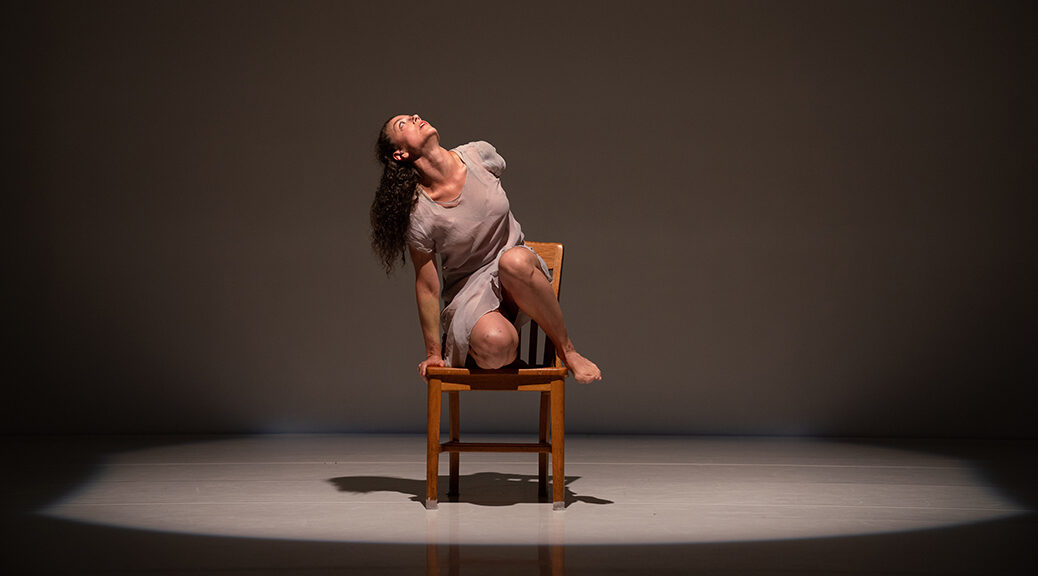
Photo: Steven Pisano
On March 1st, the Sokolow Theatre/Dance Ensemble brought Anna Sokolow’s masterpiece, Rooms, back to the stage, after having to cancel in spring 2020. This controversial work toes the line between theater and dance, pulsing with loneliness, yearning, and the fear of alienation to a driving jazz score by Kenyon Hopkins. First choreographed in 1955 during the breakdown of wartime solidarity, when the threat of atomic annihilation, the 1952 polio epidemic, and the Red Scare hung like invisible contagions, Rooms examines the psychic isolation and unfulfilled desires of characters isolated in their small, city apartments. An enduring masterpiece, Rooms reveals the deepest aspects of our human condition.
Rooms shattered many choreographic conventions; most notably through the use of chairs as integral props, its focus on everyday people as opposed to archetypal myths, its spare movement vocabulary, and storytelling through nonlinear vignettes.
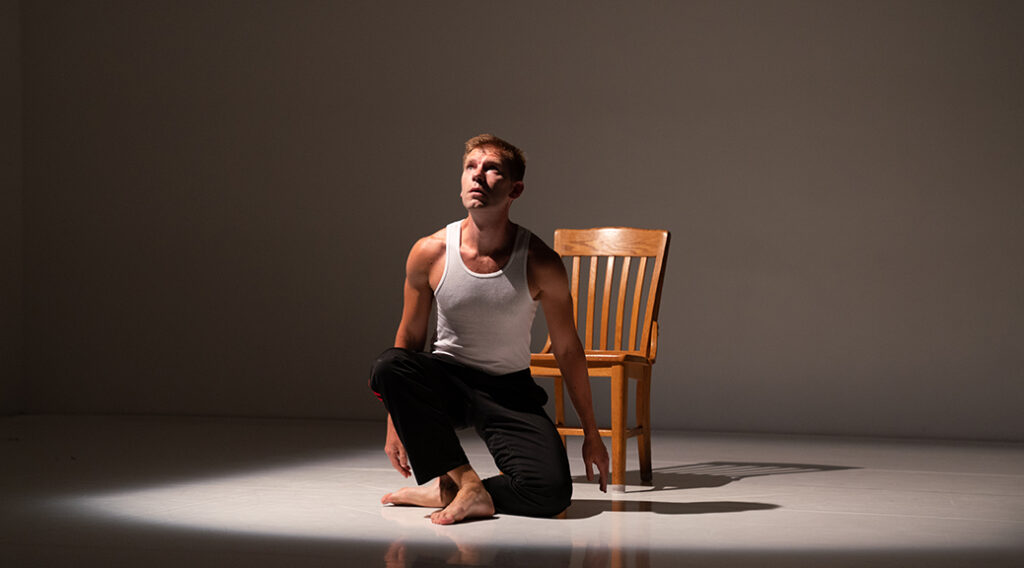
The jazz score which accompanies the piece, created by Kenyon Hopkins, is another example of upending tradition. While jazz was used in playful or upbeat dances, Sokolow envisioned it as a way to exacerbate the “aloneness” experienced by her characters. Hopkins created the score alongside the choreographic process, with jazz giants playing in the premier (and the recording the Ensemble uses to this day) including Charles Mingus, Teo Macero, Clem Da Rosa, Hall Overton, and Bart Wallace.
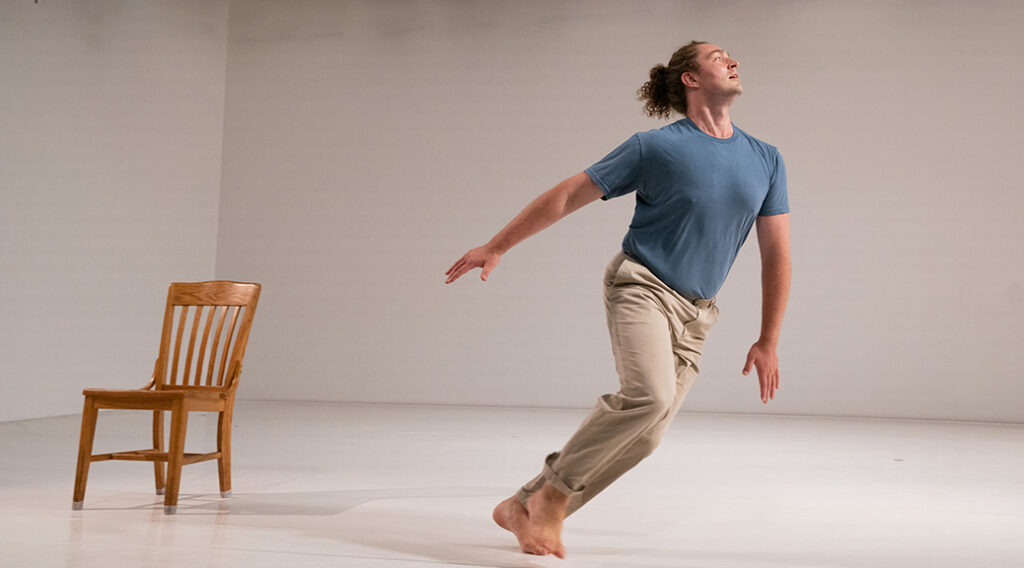
While Rooms was a product of its time, it still provides reflection on the current state of life in this country 76 years later, which is why it is a part of Carnegie Hall’s United in Sound: America at 250 festival.
“Rooms is a powerful, deeply penetrating exploration of man’s aloneness.”
Walter Terry
Herald-Tribune, 1956
“In the current moment, full of uncertainties surrounding artificial intelligence and human disconnection, Sokolow’s choreography feels more relevant than ever.
In this performance, the dancers channeled Sokolow effortlessly, revealing deep theatrical range and a varied mix of techniques.”Stacey Menchel Kussell
Dance Enthusiast, 2026
Program
Scenes from rehearsal (click to zoom in).
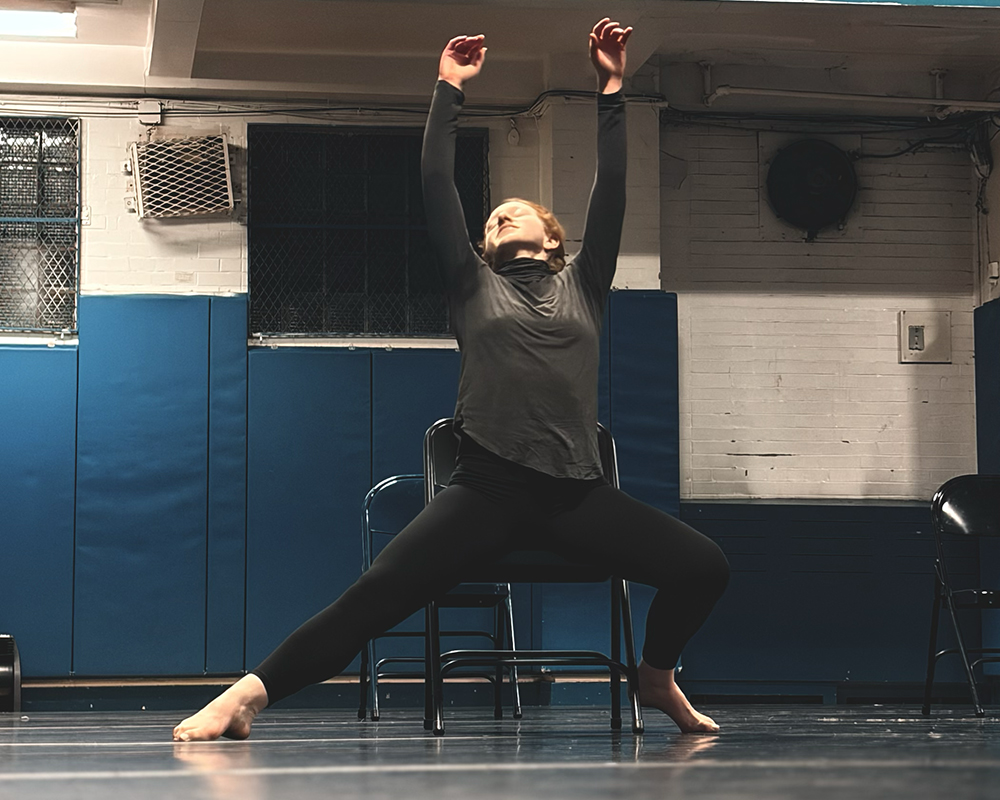
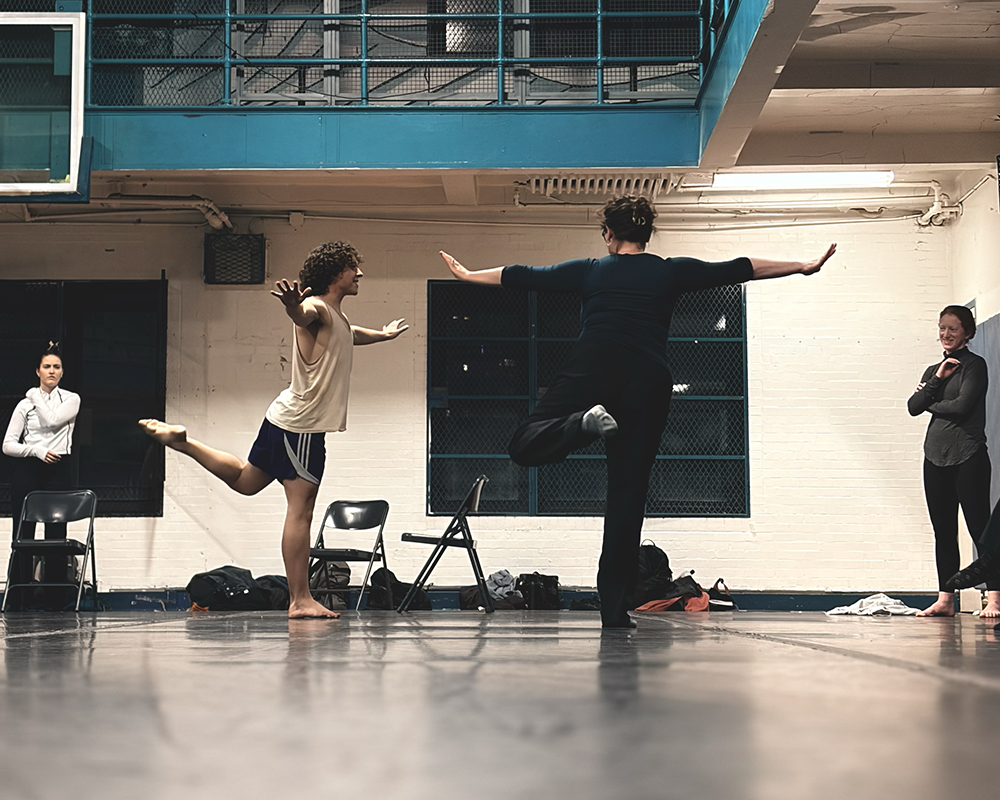
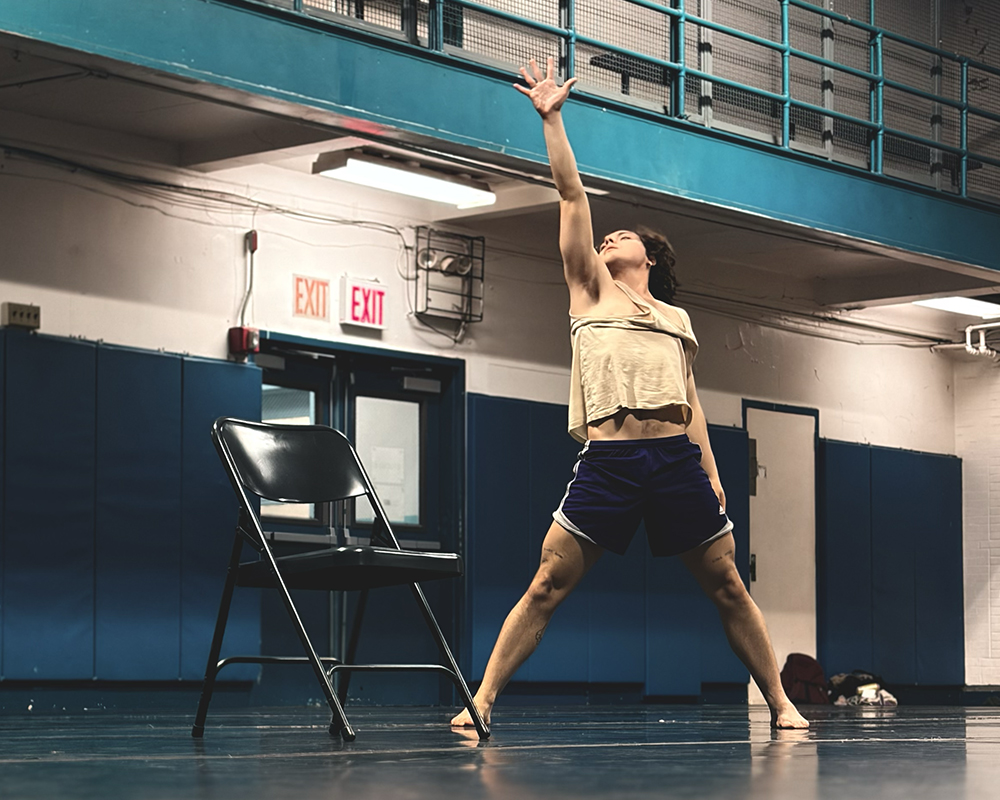
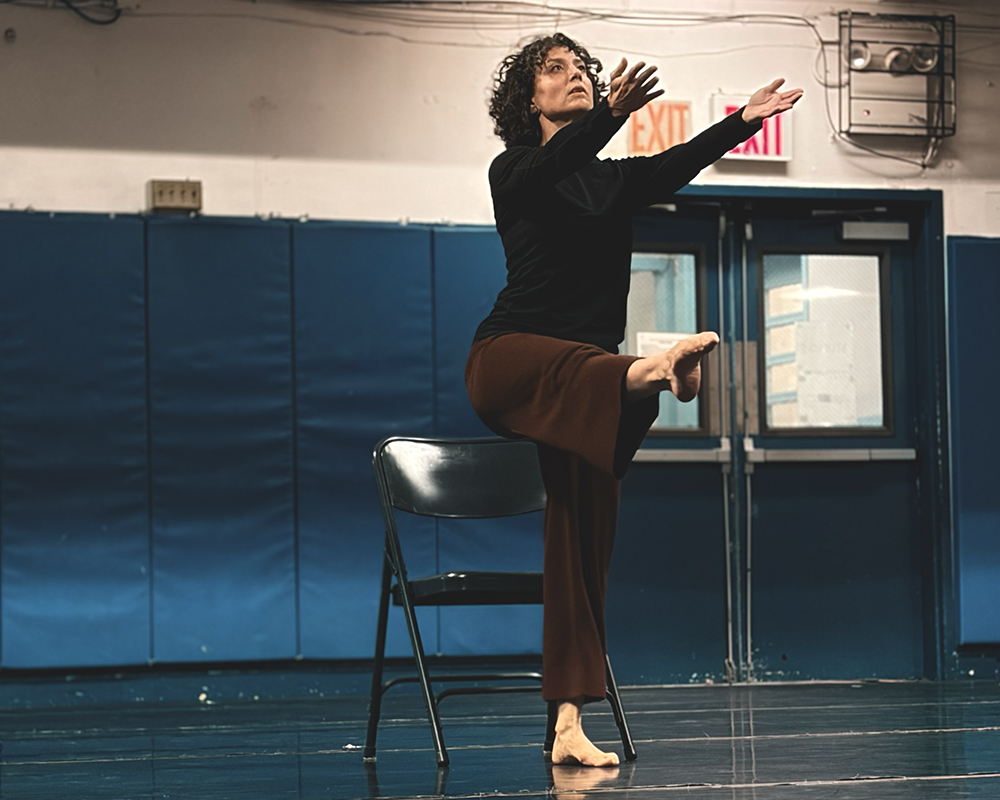
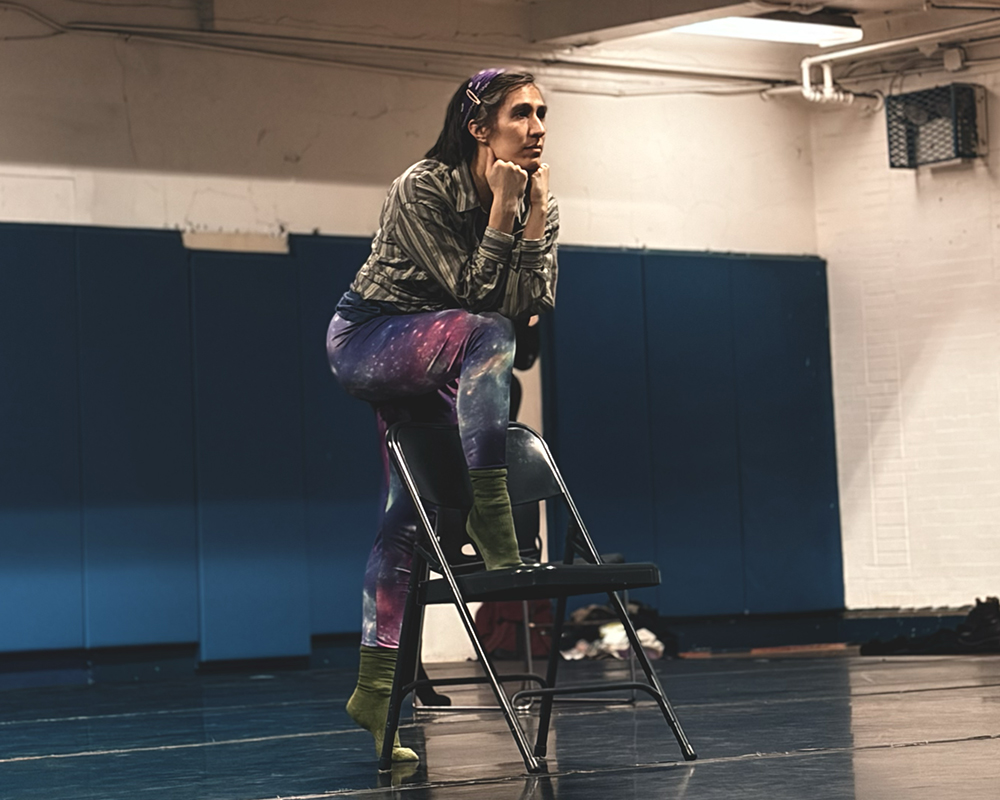
Photos by Edu Hernandez.